
Is Chattanooga Still Affordable in 2026? Your Ultimate Guide
📖 ~9 min read • 1775 words
Meta Description: Considering Chattanooga in 2026? Dive into real costs: home prices, rentals, utilities, taxes, schools, and lifestyle. Get the full financial breakdown before you move.
Chattanooga continues to attract newcomers, raising questions about its affordability in 2026. This comprehensive guide breaks down the actual costs of living in Chattanooga, Tennessee, covering everything from housing and utilities to taxes, schooling, and overall lifestyle expenses, helping you determine if the Scenic City fits your budget.
Is the dream of living in Chattanooga, Tennessee, still within reach for your budget as we head into 2026? The "Scenic City" has consistently drawn praise for its natural beauty, vibrant downtown, and friendly atmosphere. But with growing popularity often comes rising costs. If you're pondering a move, understanding the true financial picture is crucial. Let's break down what it actually costs to live in Chattanooga in 2026, ensuring you have all the information you need to make an informed decision.

The Chattanooga Appeal: Why Everyone's Looking South
Chattanooga isn't just a dot on the map; it's a destination. From the breathtaking views atop Lookout Mountain to the bustling Riverfront and the innovative EPB smart grid, the city offers a unique blend of outdoor adventure, urban amenities, and a growing tech scene. It's a place where you can hike miles of trails in the morning and enjoy a gourmet meal downtown by evening.
This blend of lifestyle factors is precisely what makes so many people consider relocating here. But with increasing demand, the question naturally arises: is it still affordable?
Unpacking Housing Costs in Chattanooga for 2026
For most, housing is the largest monthly expense. Let's look at what you can expect whether you're buying or renting in Chattanooga in 2026.
Home Prices: Buying Your Slice of the Scenic City
The real estate market nationwide has seen significant shifts, and Chattanooga is no exception. While historically more affordable than major metropolitan areas, property values have appreciated. In 2026, you'll find a range of options, from charming historic homes in established neighborhoods to modern new constructions on the outskirts.
- Starter Homes: Expect entry-level homes to be competitive, especially in desirable areas. These might be smaller, older properties requiring some updates, but they offer a foothold in the market.
- Mid-Range Homes: The sweet spot for many families, these homes offer more space, modern amenities, and often better school districts. Prices here reflect the balance of location, size, and condition.
- Luxury Properties: Waterfront homes, properties with mountain views, or large estates continue to command premium prices, offering unparalleled lifestyle opportunities.
Keep in mind that areas just outside the city center, like Ooltewah, often present more affordable options, particularly for new construction. If you're exploring these opportunities, you'll find valuable insights into specific developments in AFFORDABLE New Construction Homes near Chattanooga TN [Harbour Chase - Ooltewah TN], which details a full tour of Harbour Chase by Smith Douglas Homes.
The Rental Market: What to Expect
If buying isn't in your immediate plans, Chattanooga's rental market offers flexibility. Apartment complexes, townhomes, and single-family rental homes are available, though demand can be high in popular areas.
- Apartments: Studio, one-bedroom, and two-bedroom apartments vary significantly by location and amenities. Downtown, Northshore, and Southside tend to be pricier due to their walkability and access to entertainment. Further out, you might find more space for your dollar.
- Rental Homes: Renting a single-family home often provides more space and privacy, but these can be harder to find and typically come with a higher price tag than apartments.
Regardless of whether you're buying or renting, it's wise to budget for a bit more than the average, as desirable properties can move quickly.
Beyond the Mortgage or Rent: Other Essential Costs
Housing is just one piece of the puzzle. To truly understand the cost of living, you need to factor in utilities, taxes, and daily expenses.
Utilities: Keeping the Lights On and Water Running
Chattanooga boasts EPB, which is known for its high-speed internet and generally competitive utility rates. However, costs will always depend on your usage, home size, and insulation.
- Electricity: Expect higher bills during peak summer (AC) and winter (heating) months. Tennessee's climate means both can be significant.
- Water & Sewer: Typically billed together, these rates are fairly standard across the city.
- Natural Gas: Used for heating, water heaters, and cooking in many homes, costs fluctuate with market prices and seasonal demand.
- Internet & Cable: EPB offers some of the fastest internet in the country, with various packages available. Cable TV is optional, with many opting for streaming services instead.
Taxes: What You'll Pay in Tennessee
Tennessee is famously known for having no state income tax, which is a huge draw for many. However, other taxes still apply:
- Property Taxes: These are levied at the county level (Hamilton County for Chattanooga). Rates are generally considered reasonable compared to many other states, but they are a significant annual expense for homeowners.
- Sales Tax: Tennessee has one of the highest state sales tax rates in the nation, plus local sales taxes, bringing the combined rate to around 9.25% in Chattanooga. This impacts nearly every purchase you make.
Schooling: Investing in Education
For families with children, schooling is a paramount consideration. Chattanooga offers a mix of public and private options.
- Public Schools: Hamilton County Schools serves Chattanooga. The quality can vary significantly by district, so researching specific school ratings (resources like Niche.com are very helpful here, as mentioned by the Living in Chattanooga team) is essential.
- Private Schools: Numerous private and independent schools offer diverse curricula and educational philosophies. Tuition costs can range widely, from a few thousand to over $20,000 annually per child, depending on the institution.
Understanding these costs is part of a larger picture when considering a move. For a broader overview of relocation factors, you might find Moving to Chattanooga in 2026? Everything You Need to Know to be an incredibly helpful resource, covering a wide array of essential information for newcomers.
The Overall Lifestyle Cost: Living Your Best Life in Chattanooga
Beyond the fixed costs, your lifestyle choices significantly impact your monthly budget. Chattanooga offers a wealth of activities, many of which are free or low-cost, thanks to its natural surroundings.
- Transportation: While public transit options exist, Chattanooga is largely a car-dependent city. Budget for gas, car insurance, and maintenance. Commute times are generally manageable compared to larger cities.
- Groceries & Dining Out: Grocery prices are comparable to national averages. Chattanooga's food scene is vibrant, with options from casual eateries to fine dining. Eating out frequently will, of course, increase your budget.
- Healthcare: Costs will depend on your insurance plan and health needs. Tennessee's healthcare market is competitive.
- Entertainment & Recreation: This is where Chattanooga truly shines. Enjoying the outdoors (hiking, biking, kayaking on the Tennessee River) can be very inexpensive. Cultural attractions like museums, the Tennessee Aquarium, and local festivals offer varied price points. A vibrant arts and music scene provides plenty of options for nights out.
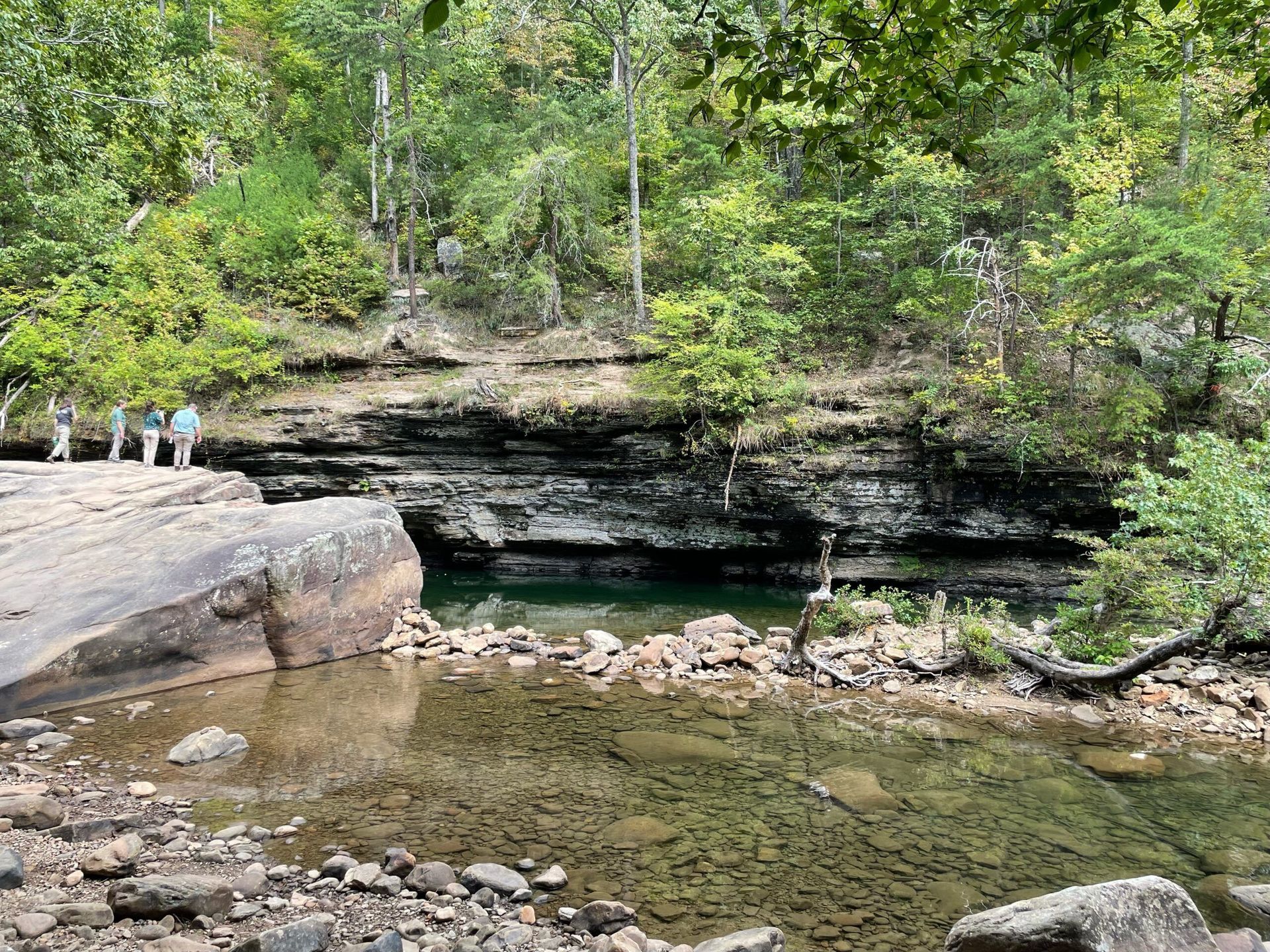
Is Chattanooga Still Affordable in 2026? The Verdict
So, after breaking down all the costs, what's the answer? Is Chattanooga still affordable in 2026? The short answer is: yes, relatively.
While the days of extremely low housing costs might be fading, Chattanooga still offers a more budget-friendly lifestyle compared to many major U.S. cities, especially when you factor in the lack of state income tax and the abundance of free outdoor activities. Your personal affordability will depend on your income, lifestyle choices, and housing preferences.
It's a city that provides an exceptional quality of life, balancing urban amenities with unparalleled natural beauty, making the investment well worth it for many. The key is to go into your move with a clear understanding of the expenses and a realistic budget. If you're pondering specific concerns or have questions that haven't been fully answered, remember that Top Questions Everyone Has About Chattanooga Answered! (Watch This If You're Thinking Of Moving) covers many common inquiries from those considering a move.
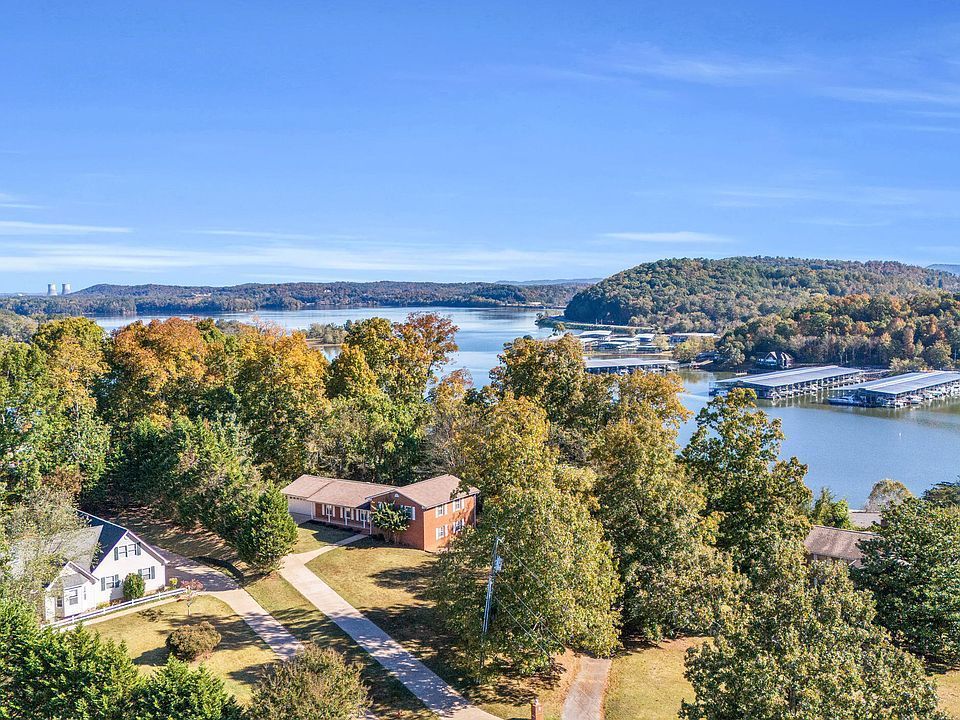
Frequently Asked Questions (FAQ)
Q: What are the primary factors driving cost changes in Chattanooga for 2026?
A: The primary factors are continued population growth, increased demand for housing (both for purchase and rent), and general inflation. While still more affordable than many larger cities, its growing popularity contributes to a steady rise in costs.
Q: Is it cheaper to rent or buy in Chattanooga in 2026?
A: This largely depends on current interest rates, your down payment, and how long you plan to stay. Generally, if you plan to stay for an extended period (5+ years), buying often builds equity. However, initial costs for buying can be significant. Renting offers more flexibility and fewer upfront costs, but you don't build equity. It's crucial to compare monthly mortgage payments (including taxes and insurance) against rental rates for similar properties.
Q: How does Chattanooga's cost of living compare to other cities in Tennessee?
A: Chattanooga generally falls in the middle range when compared to other major Tennessee cities. It's typically more affordable than Nashville but often slightly more expensive than smaller cities or rural areas. Its unique blend of amenities and natural beauty offers a strong value proposition for its cost.
Q: What is the biggest financial advantage of living in Chattanooga/Tennessee?
A: The biggest financial advantage is undoubtedly Tennessee's lack of a state income tax. This can result in significant savings for individuals and families, allowing them to retain more of their gross income compared to residents of states with high income taxes.
Q: Are there specific neighborhoods in Chattanooga that are more affordable than others?
A: Yes, affordability varies by neighborhood. Areas further from downtown or those still undergoing revitalization often offer lower housing costs. For instance, parts of East Chattanooga, Harrison, or even communities like Ooltewah (just outside the city limits) may present more budget-friendly options compared to highly sought-after areas like Northshore, St. Elmo, or Downtown.
Watch the Full Video
For more insights, watch the complete video: Is Chattanooga Still Affordable in 2026?
Making Your Move Easier
Moving forward does not have to be overwhelming. With the right guidance and support, you can navigate this journey smoothly. the team is ready to help you every step of the way.
Here's how to get in touch:
📧 Email: info@livinginchattanooga.us
📞 Phone: 423-248-2101
💻 YouTube: Living in Chattanooga

Evan Barron
With years of experience and a passion for helping families find the perfect home, Evan Barron brings expertise, integrity, and personalized service to every transaction. From relocating in and our of Tennessee to building your dream home, Evan makes real estate easy.

LATEST VIDEOS