
Want Acreage in Chattanooga? Your Guide to Homes with Land
📖 ~11 min read •2181 words
Meta Description: Dreaming of a home with land in Chattanooga? Discover the realities of buying 1-5 acres, best areas, zoning, utilities, and avoid common mistakes before you move.
This guide dives deep into finding and buying homes with 1-5 acres in the Chattanooga, Tennessee area. You'll learn about the true cost of living, land usability, zoning challenges, septic systems, utility considerations, and the privacy you can expect, helping you navigate the market from expectation to reality.
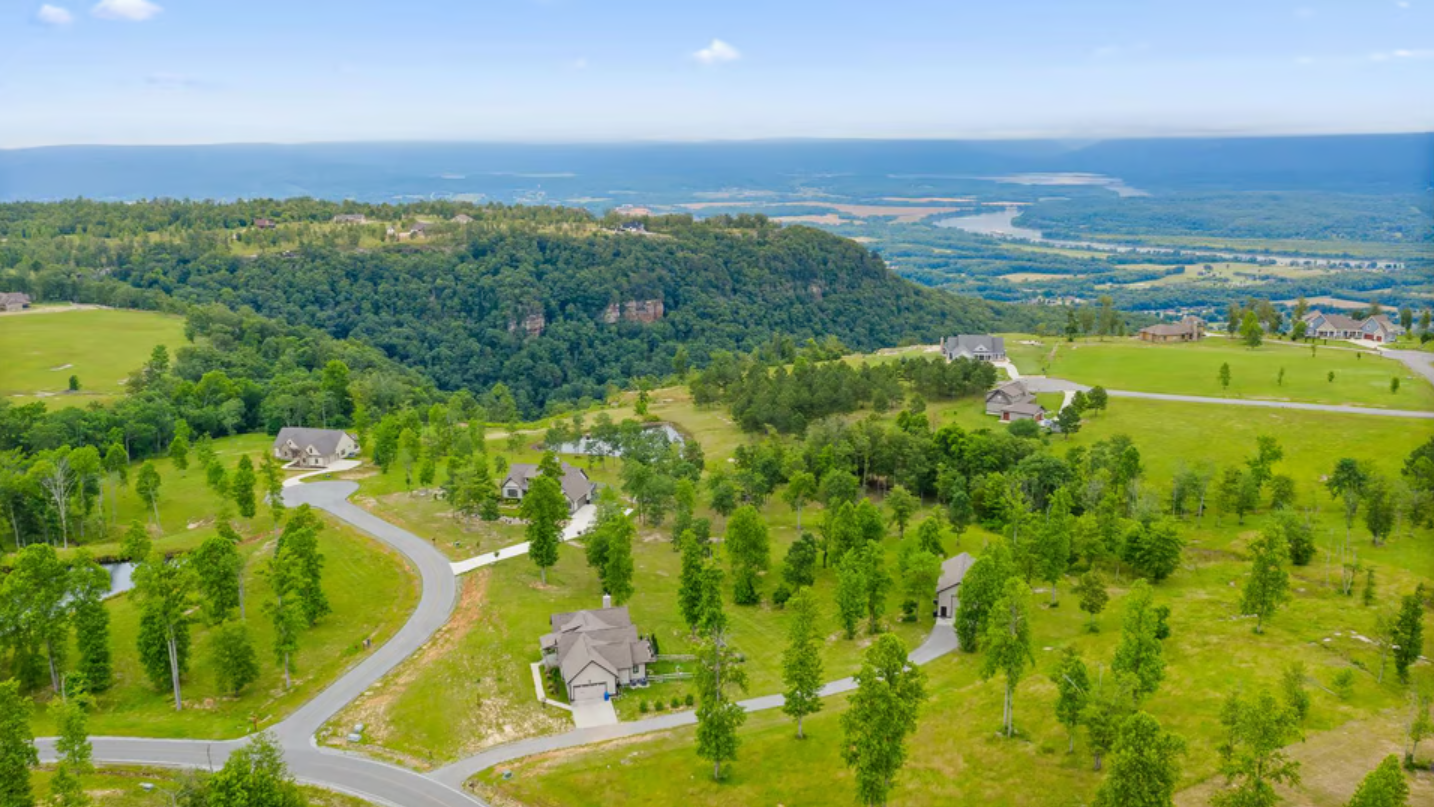
Dreaming of a spacious home with room to roam, a place where nature is your neighbor, and privacy is paramount? If you’re considering moving to Chattanooga, Tennessee, and have your heart set on a property with 1 to 5 acres, you're not alone. Many people are drawn to the scenic beauty and relaxed lifestyle that East Tennessee offers. However, buying acreage isn't always as straightforward as it seems, and understanding the nuances before you commit can save you a world of headaches.
This comprehensive guide will walk you through the realities of securing your dream home with land in the Chattanooga area. We’ll explore everything from the best places to search for acreage to the often-overlooked practicalities like zoning, septic systems, and utility access. Our goal is to equip you with the knowledge needed to make a smart, informed decision, whether you're relocating from out of state or already a Chattanooga local looking for more space.
The Allure of Acreage in Chattanooga: Why the Dream is Real
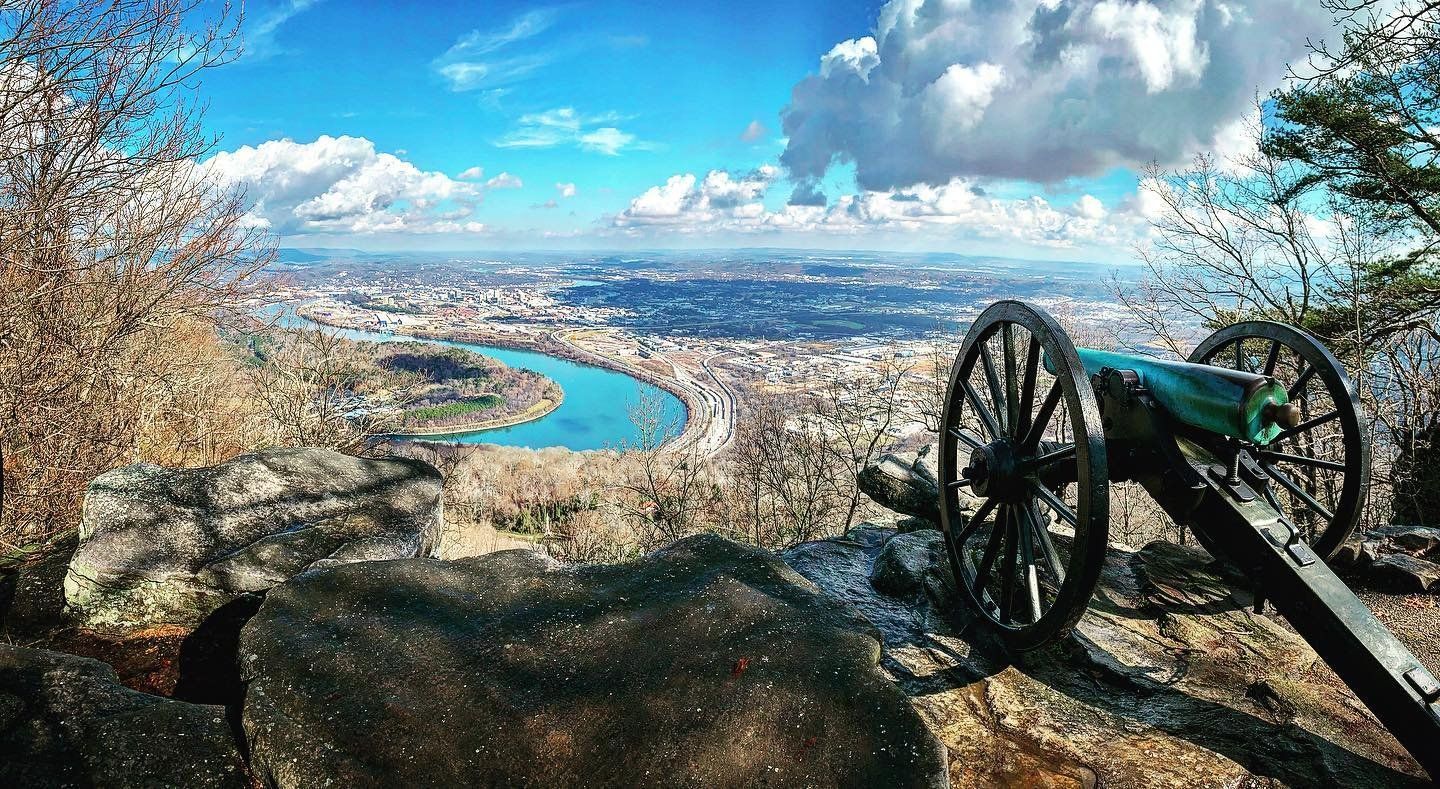
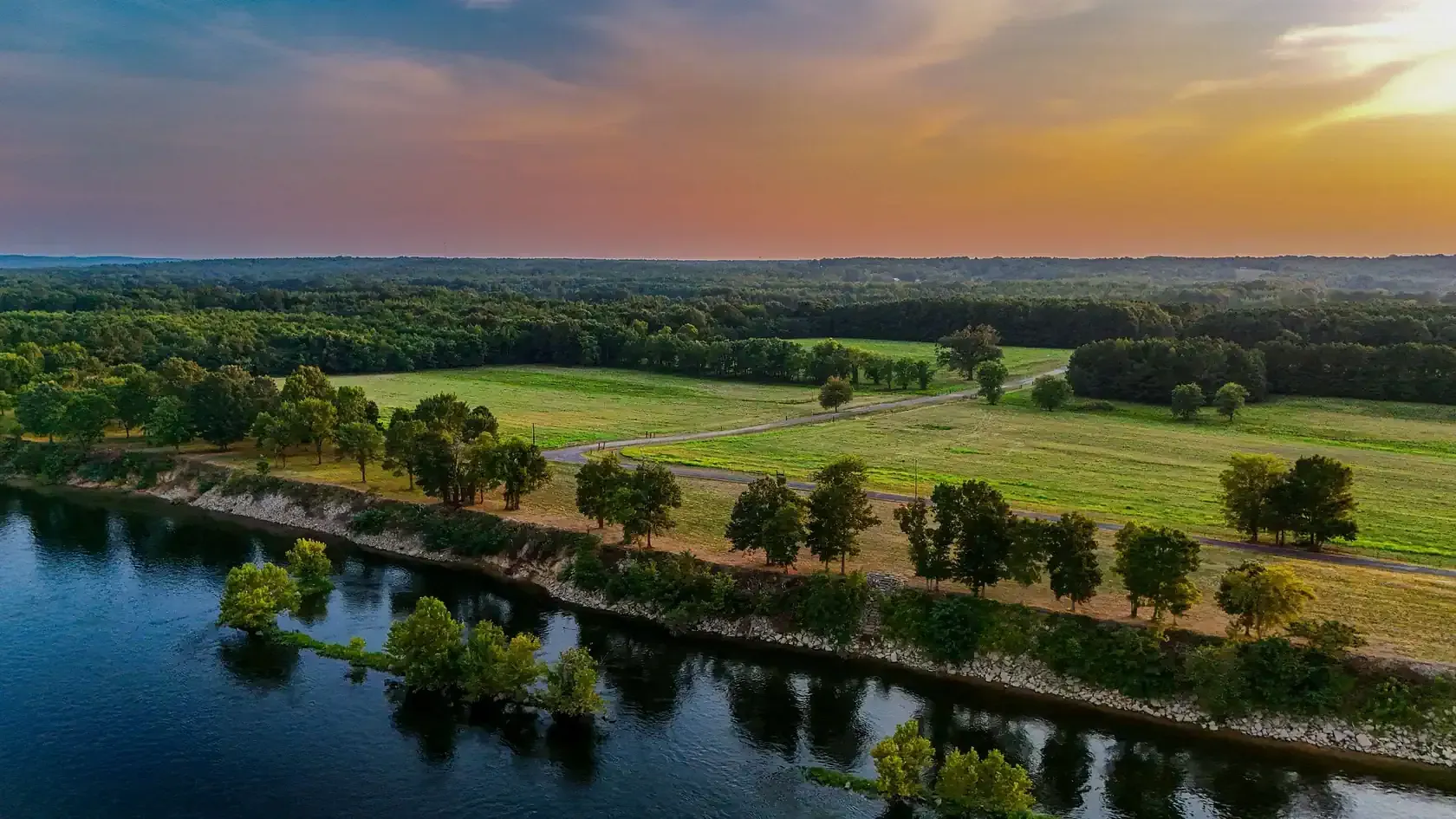
Chattanooga, often dubbed the "Scenic City," boasts a unique blend of urban charm and stunning natural landscapes. It’s nestled in the Appalachian Mountains, with the Tennessee River winding through its heart, offering breathtaking views and endless outdoor activities. For many, the idea of owning acreage here means more than just a larger yard; it represents a lifestyle.
Imagine waking up to the sounds of nature, enjoying your morning coffee on a porch overlooking your private expanse, or having ample space for a garden, a small hobby farm, or simply room for kids and pets to play freely. This desire for space and connection to nature is a powerful motivator. If you're still considering the overall move to this vibrant city, Moving To Chattanooga Tennessee (2026): What You NEED To Know BEFORE Living In Chattanooga Tennessee offers a fantastic overview of what to expect from living here.

Understanding the Realities of Land Ownership in East Tennessee
While the dream of acreage is beautiful, the reality often comes with practical considerations that are crucial to understand. This is where many buyers encounter surprises.
Cost of Living in Chattanooga and Acreage Prices
Chattanooga generally offers a lower cost of living compared to larger metropolitan areas. However, when you add land into the equation, the costs can escalate quickly. It's not just about the purchase price; you need to factor in property taxes, insurance, and the potential costs of developing or maintaining your land.
- Property Taxes: While Tennessee has relatively low property taxes, larger parcels of land will naturally incur higher tax bills. It’s essential to research the specific tax rates for the county and area you’re considering.
- Insurance: Homes on acreage might have different insurance needs, especially if they are more isolated or have unique features. Flood insurance might also be a consideration depending on the land's topography.
- Maintenance: More land means more maintenance. Think about lawn care, tree trimming, fence repairs, and driveway upkeep, especially if you have a long private drive. These aren't negligible costs.
Land Usability and Topography: More Than Just Square Footage
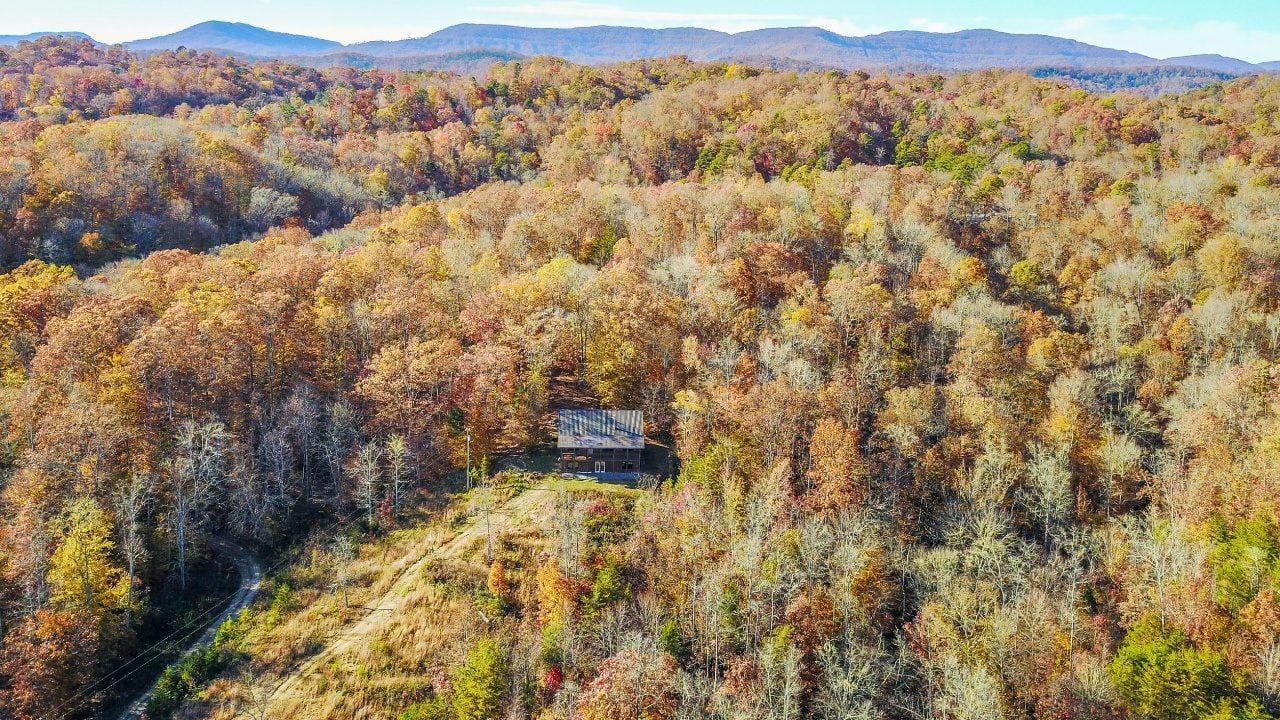
One of the biggest misconceptions about buying acreage is that all land is equally usable. In the mountainous terrain surrounding Chattanooga, this couldn't be further from the truth. A 5-acre parcel might sound ideal, but if 3 of those acres are on a steep slope, in a floodplain, or heavily wooded with unbuildable rock formations, your usable space diminishes significantly.
- Slopes and Grades: Steep inclines can limit building sites, increase construction costs for foundations, and make gardening or even walking challenging.
- Floodplains: Portions of land within a designated floodplain may be unbuildable or require extensive (and expensive) flood mitigation measures.
- Soil Quality: For those dreaming of a large garden or farming, soil quality is paramount. Rocky soil or poor drainage can hinder agricultural plans.
- Easements and Rights-of-Way: Always check for existing easements (e.g., utility lines, access roads for neighbors) that might restrict your use of certain parts of the land.
Zoning and Regulations: What You Can (and Can't) Do
Zoning laws dictate how land can be used and what structures can be built on it. Just because you own the land doesn't mean you have free rein. Rural zoning might be more flexible than suburban, but there are always rules.
- Residential vs. Agricultural: Different zoning classifications permit different activities. If you plan to have livestock, operate a home business, or build an accessory dwelling unit, ensure the zoning allows for it.
- Setbacks: These are minimum distances required between structures and property lines, which can impact where you can build on your land.
- Permitting: Building on acreage often involves more complex permitting processes, especially if you're outside city limits and dealing with county regulations.
Septic Considerations: A Critical Infrastructure Component
Unlike city homes connected to municipal sewer systems, many homes on acreage rely on septic tanks. This is a significant factor that often surprises new rural homeowners.
- System Type and Condition: Understand the type of septic system (conventional, aerobic, mound, etc.) and its age and last inspection. A failing system can be incredibly costly to repair or replace.
- Drain Field Requirements: Septic systems require a drain field, which needs a specific amount of suitable soil and space. If your land doesn't have a viable area for a drain field, it could severely impact your ability to build or expand.
- Maintenance: Septic systems require regular pumping and maintenance. Neglecting this can lead to expensive backups and environmental issues.
Utilities: Beyond the City Grid
While city homes typically have easy access to water, electricity, and high-speed internet, homes on acreage – especially those further out – might face challenges.
- Water Source: Is the home connected to public water, or does it rely on a well? If a well, what is its depth, and has the water quality been tested?
- Electricity: While most areas have electricity, extending lines to very remote properties can be costly.
- Internet Access: This is a big one for many. High-speed fiber optic internet might not be available in all rural areas. Satellite internet or fixed wireless might be your only options, which can have limitations on speed and data caps.
- Propane/Natural Gas: Many rural homes use propane for heating and cooking, which requires a tank and regular deliveries, rather than natural gas lines.
Where to Find Your Dream Acreage Around Chattanooga
So, where do you begin your search for that perfect 1-5 acre property? The Chattanooga area offers diverse options, each with its own character and proximity to amenities.
- North Georgia (e.g., Ringgold, Fort Oglethorpe, Trenton, Chickamauga): Just across the state line, these areas often provide more affordable land prices and a distinctly rural feel while still being a manageable commute to Chattanooga. They offer a great balance of country living with city access.
- North of Chattanooga (e.g., Soddy-Daisy, Hixson, Ooltewah outskirts): These communities, within Hamilton County, offer a mix of suburban and semi-rural properties. You might find larger lots and some acreage further out from the main commercial centers. Soddy-Daisy, in particular, is known for its access to lakes and outdoor recreation, often providing more land options.
- South of Chattanooga (e.g., Lookout Mountain, Signal Mountain): While these areas are highly desirable for their views and community, true acreage (1-5 acres) can be harder to find and significantly more expensive. Properties here often come with smaller, estate-sized lots.
- Rural Hamilton County & Adjacent Counties (e.g., Sequatchie, Walker, Catoosa): Venturing further into the surrounding counties can reveal more extensive land opportunities at varying price points. These areas offer the most privacy and connection to nature but might require a longer drive to city amenities.
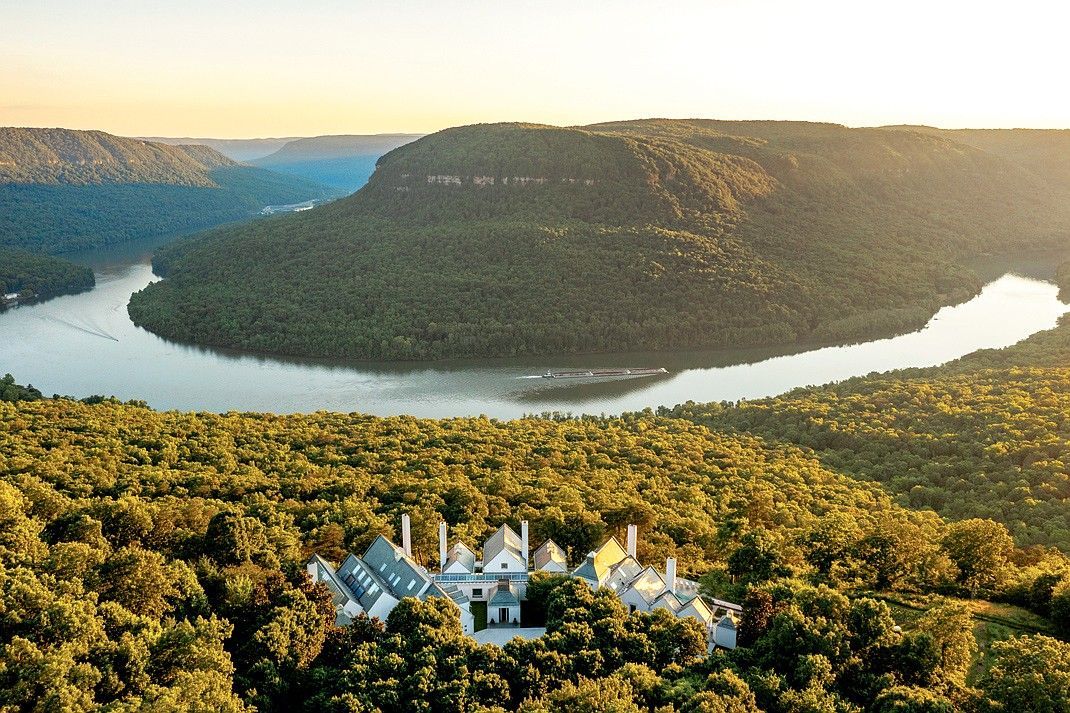
For those looking at specific high-end communities with acreage, Inside River Gorge Ranch — COMPLETE Video Tour - Views, Acreage & Lifestyle provides an excellent deep dive into one such option, highlighting the unique blend of luxury, views, and expansive properties available.
Pros and Cons: Expectation Versus Reality
Buying land in East Tennessee, like anywhere, comes with its unique set of advantages and disadvantages. What people expect versus the reality can sometimes be a rude awakening.
Pros of Acreage in Chattanooga:
- Unmatched Privacy: The ability to enjoy your property without close neighbors is a huge draw.
- Space to Breathe: Room for gardens, workshops, outbuildings, or simply peace and quiet.
- Connection to Nature: Direct access to the outdoors, wildlife, and stunning natural beauty.
- Potential for Self-Sufficiency: Opportunities for gardening, small-scale farming, or even solar power.
- Investment Potential: Land can be a solid long-term investment, especially in a growing region like Chattanooga.
Cons of Acreage in Chattanooga:
- Higher Maintenance: More land means more work. You'll need equipment (mowers, trimmers) and time to keep it looking good.
- Distance to Amenities: Depending on how rural you go, grocery stores, hospitals, and schools might be a longer drive.
- Utility Challenges: As discussed, internet, water, and gas access can be more complex and costly.
- Septic System Upkeep: A responsibility many urban dwellers aren't accustomed to.
- Unforeseen Land Issues: Drainage problems, unseen springs, or difficult terrain can be expensive surprises.
It's also worth considering how these factors impact your overall budget. For a deeper dive into the financial aspects of living in the area, Is Chattanooga Still Affordable in 2026? can provide valuable insights into the cost of living that might influence your acreage decision.
Making a Smart, Informed Decision
Relocating or expanding your living space to include acreage in Chattanooga is a significant decision. It requires careful research, due diligence, and an understanding that the dream property often comes with practical responsibilities. Working with a local real estate expert who specializes in rural and land properties is invaluable. They can help you navigate zoning laws, understand property surveys, assess land usability, and connect you with local contractors for septic inspections or well drilling.
By being prepared for the realities of acreage ownership, you can avoid common mistakes and confidently find a home that truly fits your lifestyle and expectations in the beautiful Chattanooga area.
Frequently Asked Questions (FAQ)
Q: How much does 1-5 acres typically cost in the Chattanooga area?
A: The cost can vary significantly based on location, topography, accessibility, and whether there's an existing home. Undeveloped land can range from $10,000 to $50,000+ per acre in more rural areas, while developed lots or those closer to Chattanooga's core with a home can easily push into the mid-six figures or more for a 1-5 acre parcel. Proximity to amenities, views, and usable land percentage are major price drivers.
Q: What are the biggest challenges when buying land with a home in East Tennessee?
A: The primary challenges often include understanding land usability (e.g., steep slopes, floodplains), navigating septic system requirements, ensuring reliable utility access (especially high-speed internet), and understanding local zoning and building regulations that might differ from urban areas. Many buyers underestimate the ongoing maintenance required for larger properties.
Q: Are there specific areas around Chattanooga that are better for finding acreage?
A: Yes, areas just outside Chattanooga's immediate urban core tend to offer more acreage options. North Georgia communities like Ringgold, Fort Oglethorpe, and Trenton are popular for their rural feel and relative affordability. Within Hamilton County, the outskirts of Soddy-Daisy, Hixson, and Ooltewah also provide opportunities. For larger, more remote parcels, venturing into adjacent counties like Sequatchie or Walker might be necessary.
Q: Do I need a special type of real estate agent to buy acreage?
A: While any licensed agent can assist, working with a real estate agent who specializes in land and rural properties in the Chattanooga area is highly recommended. They possess specific knowledge about zoning, well and septic systems, land surveys, and unique challenges associated with larger parcels. Their expertise can be crucial in avoiding costly mistakes and finding the right property.
Watch the Full Video
For more insights, watch the complete video: Want Acreage in Chattanooga Tennessee? MUST WATCH
Making Your Move Easier
Moving forward does not have to be overwhelming. With the right guidance and support, you can navigate this journey smoothly. the team is ready to help you every step of the way.
Here's how to get in touch:
📧 Email: info@livinginchattanooga.us
📞 Phone: 423-248-2101
💻 YouTube: Living in Chattanooga

Evan Barron
With years of experience and a passion for helping families find the perfect home, Evan Barron brings expertise, integrity, and personalized service to every transaction. From relocating in and our of Tennessee to building your dream home, Evan makes real estate easy.
LATEST VIDEOS